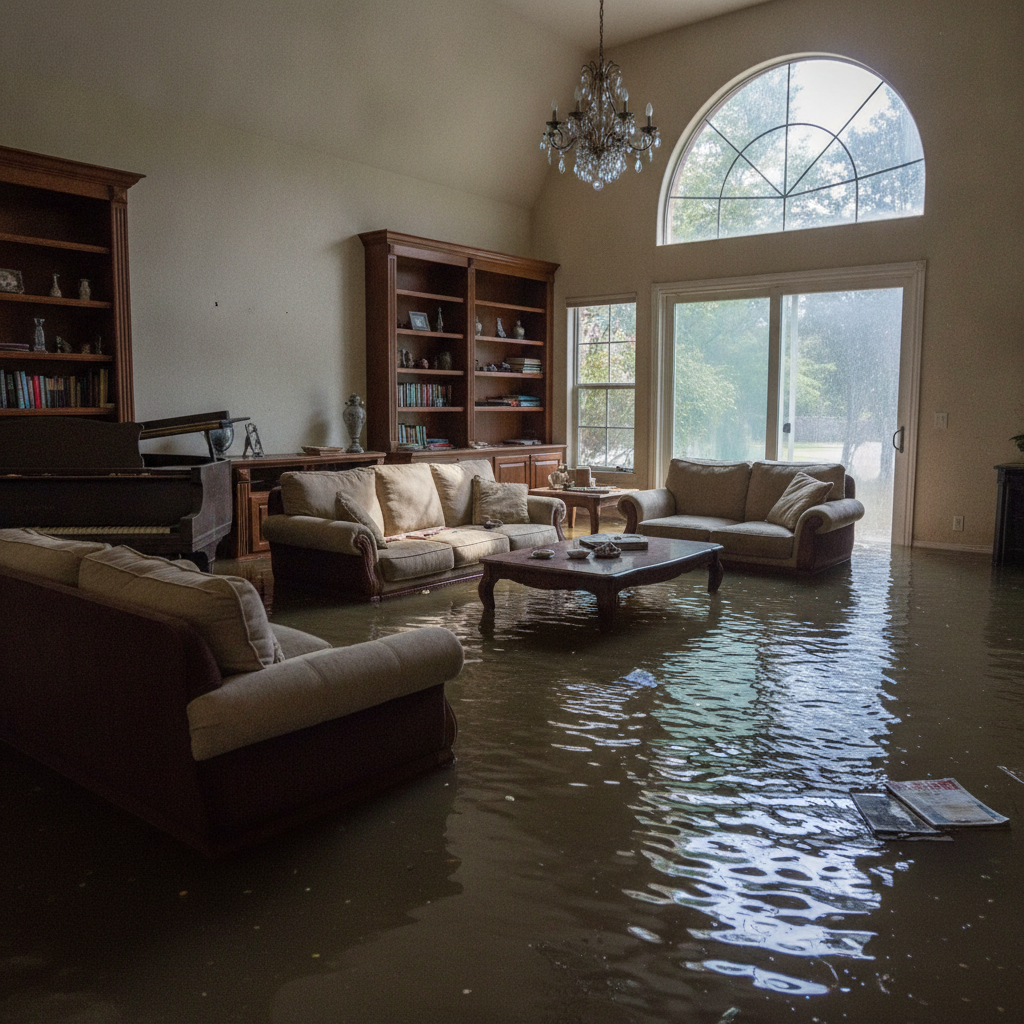
A slab leak does not announce itself with a flood. It whispers. A warm spot on the kitchen tile. A water bill that jumps for no reason. The faint sound of running water at night when nothing is on. By the time flooring buckles or a baseboard turns soft, water has often been moving under your concrete foundation for days or weeks.
If you own a home in South Orange County — especially a home built in the 1970s, 1980s, or early 1990s in Mission Viejo, Laguna Niguel, Lake Forest, Rancho Santa Margarita, or San Juan Capistrano — slab leaks are not rare. Copper water lines were run under the slab in much of that housing stock, and decades of water chemistry, soil movement, and normal corrosion take their toll. This guide explains the signs to trust, a simple test you can do yourself, what repair actually looks like, what it typically costs as a range, and what happens with drying and cleanup after the pipe is fixed.
What a Slab Leak Actually Is
Your home sits on a concrete slab. Under that slab, or embedded in it, are pressurized water supply lines — hot and cold — feeding your kitchen, bathrooms, laundry, and water heater. A slab leak is a failure in one of those lines: a pinhole from corrosion, a cracked joint, or a line worn through where it contacts soil, rock, or the concrete itself.
Because the line is pressurized, it leaks constantly — not only when you run a faucet. Water follows the path of least resistance: along the pipe, through gravel and soil, and up through cracks and control joints in the concrete. It wicks into flooring, subfloor materials, baseboards, and the bottom plate of walls. That is why the visible damage is often several feet, sometimes a whole room, away from the actual pipe failure. Learn more about how we handle the cleanup side on our slab leak cleanup page for Orange County.
The Signs, From Earliest to Latest
1. A warm or hot spot on the floor
This is the classic early sign of a hot-water line leak. Walk barefoot across tile, wood, or laminate in the morning. If one area feels noticeably warm when the floor heating is off and the sun is not hitting it, hot water may be pooling under that section of slab. In South OC homes with tile throughout the first floor, homeowners often find this first in a hallway or kitchen.
2. The sound of running water when everything is off
Late at night, with no dishwasher, washing machine, ice maker, or toilet running, listen near walls and floors. A constant hiss or faint running sound that never stops suggests pressurized water escaping somewhere. It will not cycle on and off like a toilet fill valve.
3. A water bill that spikes without a lifestyle change
Check your bill from Moulton Niguel Water District, Santa Margarita Water District, or your local provider, depending on your city. A jump of 20, 30, or 50 percent with no new occupants, no pool fill, and no irrigation change deserves investigation. A pinhole leak can waste hundreds of gallons a day, every day, because it never shuts off.
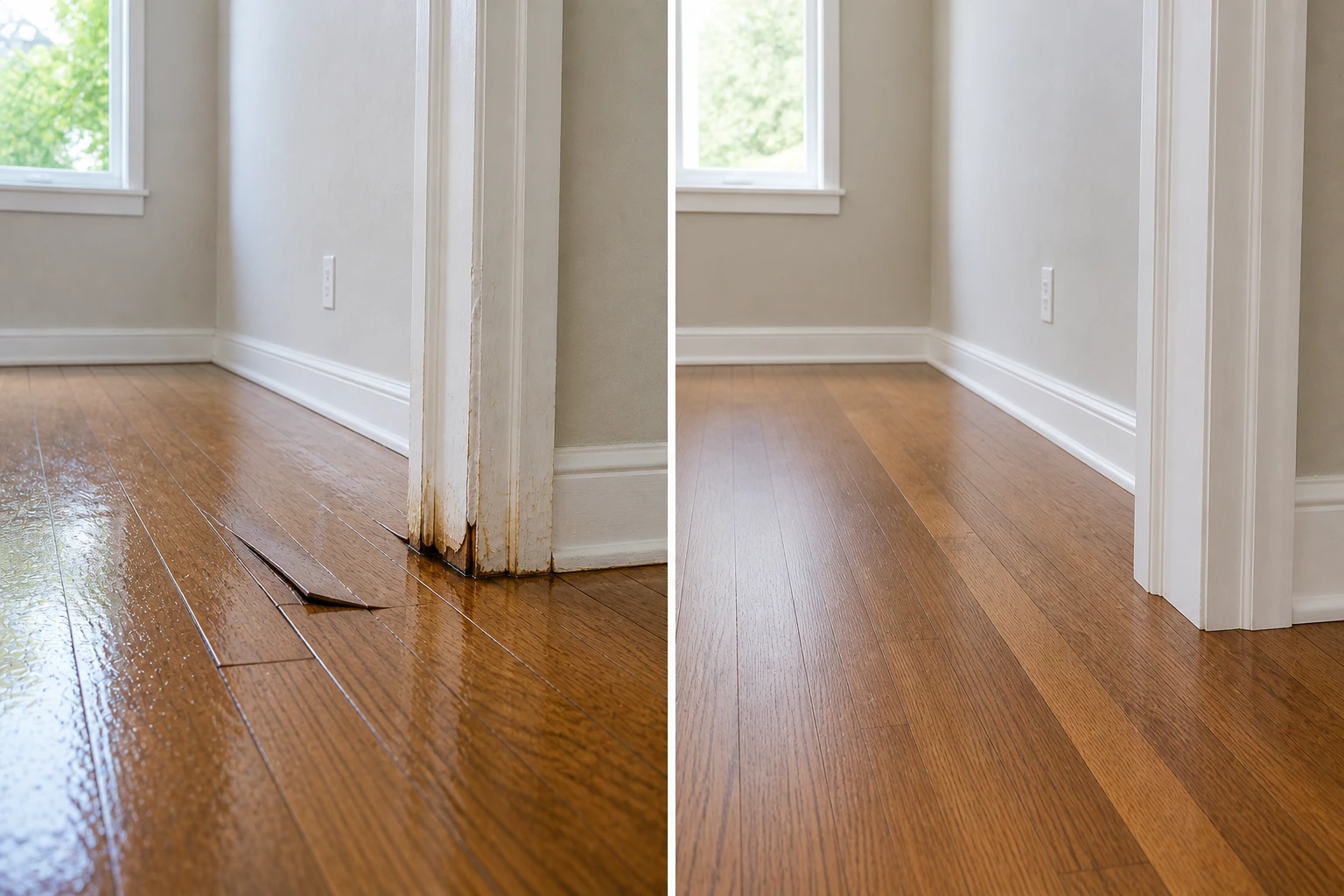
4. Damp flooring, lifting, or discoloration
Laminate and engineered wood swell and cup. Vinyl can bubble or feel spongy. Carpet develops a damp, musty smell at floor level that cleaning does not fix. Tile itself resists water, but grout lines darken and the damage shows at the edges — baseboards swell, paint bubbles at floor level, and MDF baseboard, common in 1980s and 1990s South OC tract homes, crumbles when it stays wet.
5. Low water pressure, cracks, and mildew
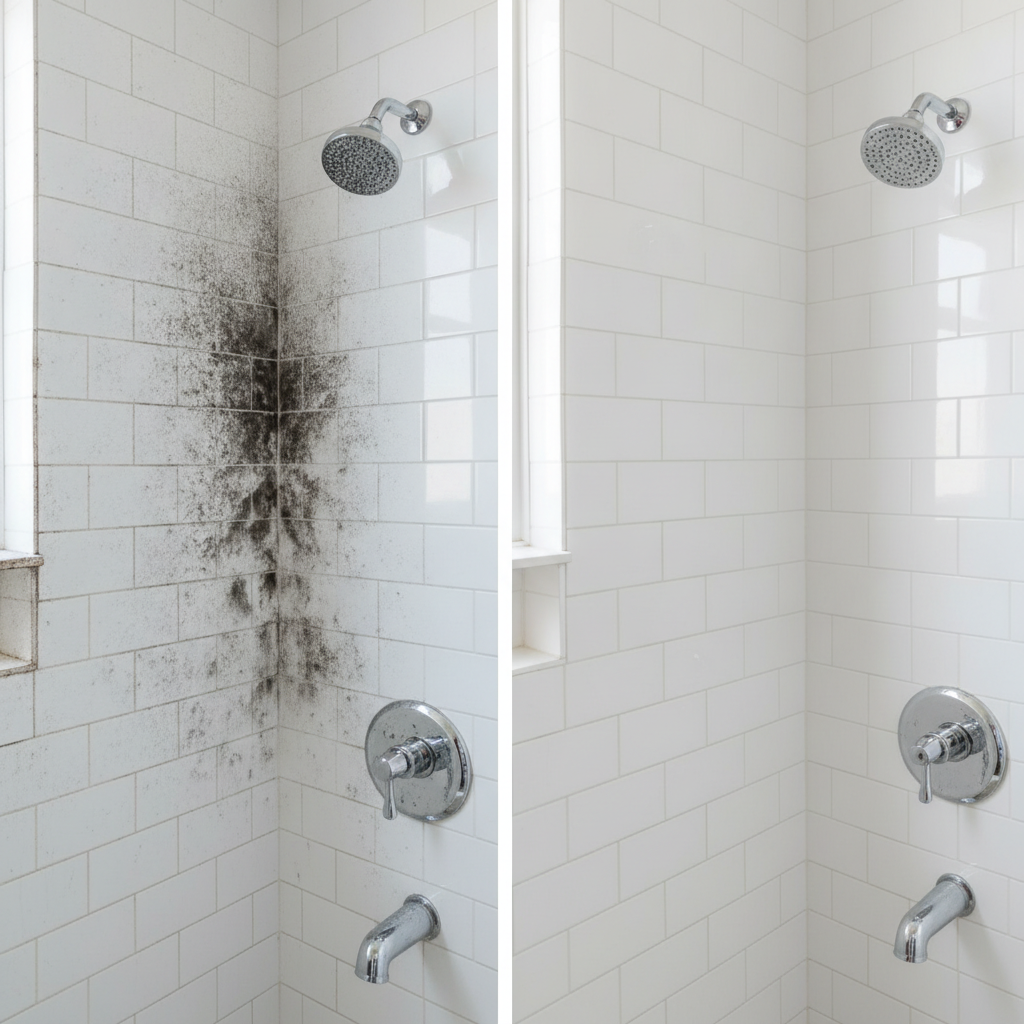
A larger leak can drop pressure at fixtures. Long-running leaks can also undermine soil under the slab, and while not every foundation crack means a slab leak, new cracks paired with any sign above should not be ignored. Persistent mildew smell at floor level, especially in a first-floor bathroom or laundry room, is another late sign that moisture has been present long enough for growth inside the wall cavity.
The Meter Test You Can Do in 20 Minutes
You do not need special tools to get a first answer. Turn off every water-using fixture and appliance in the house, including ice makers. Make sure no one flushes or runs water during the test. Find your water meter — usually at the street in a concrete box — and note the reading, or watch the small leak-indicator dial or triangle if your meter has one. If that indicator is moving when nothing in the house is using water, water is going somewhere. Wait 15 to 20 minutes without using any water and check again. If the reading changed, you very likely have a leak on the pressurized side. This test tells you there is a leak; it does not tell you where. A toilet flapper leak can also move the meter, so shut off toilets at their supply valves and retest if you want to narrow it down before calling anyone.
If the meter is moving and you see floor signs, do not wait a week to see if it gets better. Pressurized leaks do not heal.
What Happens Next, Step by Step
Step 1: Protect the home. If water is actively coming through flooring or a wall, shut off the main water supply at the house valve or the meter. That stops the damage clock. Take photos and short video of anything wet or damaged before you move it — that documentation helps later.
Step 2: Professional leak detection. A licensed plumber or leak detection specialist uses acoustic listening equipment, thermal imaging, and pressure testing to pinpoint the failure without tearing up the whole floor. Detection is a separate skill from repair, and an accurate location saves concrete, flooring, and money.
Step 3: Choose a repair route. There are three common options. A spot repair opens the slab at the leak point and fixes that section of pipe — best when the line is otherwise in good condition and this is a first failure. A reroute abandons the under-slab section and runs a new line through walls or the attic — often the smarter choice when the pipe has corroded in more than one place, because it avoids breaking more concrete for the next pinhole. A repipe replaces the home’s supply lines more broadly and is considered when leaks repeat. Your plumber should explain which route fits your pipe’s condition, not just sell the fastest one.
Step 4: Dry-out and cleanup. Fixing the pipe stops new water. It does not dry what is already wet. Flooring that has saturated usually needs to come up in the affected area, baseboards come off, and in many cases the lower portion of drywall is opened so the wall cavity can dry. Commercial air movers and dehumidifiers then dry the concrete and framing — concrete releases moisture slowly, so slab dry-outs typically run five to ten days, with daily moisture readings. That is the work Timberline Restoration does: assessment, moisture mapping, controlled demolition where needed, structural drying, and documentation. See how that fits into our broader water damage restoration work in Orange County.
Step 5: Repair and put-back. Once moisture readings confirm the structure is dry, flooring, drywall, baseboard, and paint can be restored. Skipping verification and closing wet walls is how a slab leak turns into a mold job two months later. If mold is already a concern, read our guide to how much mold remediation costs in Orange County.
Typical Cost Ranges — Labeled as Ranges, Not Quotes
Every slab leak is different, but these typical ranges help you plan. Leak detection in Orange County typically runs $250 to $600. A spot repair through the slab typically runs $1,500 to $3,500, before flooring put-back. A single-line reroute typically runs $2,000 to $4,500. A whole-home repipe is a larger project and is quoted by scope. Water damage cleanup and drying after a slab leak typically runs $1,500 to $5,000 or more depending on how many rooms were affected and how long the leak ran. Flooring and drywall restoration are separate and depend on materials. Anyone who quotes an exact total over the phone without detection and moisture readings is guessing with your money.
Will Insurance Cover a Slab Leak?
Often, partly. Standard California homeowners policies typically cover the resulting water damage — cleanup, drying, and damaged materials — from a sudden pipe failure. The pipe repair itself is often treated as maintenance and excluded, though some policies carry endorsements for detection or access costs like opening and closing the slab. Gradual damage that went on for months after clear signs appeared can be disputed, which is another reason to act on the early signs. Document everything, report the claim promptly, and do not delay mitigation while waiting for an adjuster — most policies require you to prevent further damage. Our earlier guide, does homeowners insurance cover water damage in California, walks through covered versus not-covered in detail, and our first-steps guide, water damage in the first 24 hours, covers the immediate checklist.
When to Call, and Who Does What
Call a plumber or leak detection professional for the pipe. Call a restoration company for the water damage: moisture mapping, drying, and documentation. On slab jobs the two coordinate — repair first or in sequence with opening the floor, then drying, then put-back. If you are not sure which problem you have, start with the meter test above. If the meter moves and the floor is warm, you have enough reason to make both calls this week, not next month.
Frequently Asked Questions
Can a slab leak go away on its own?
No. A pressurized supply line leak runs 24 hours a day until the water is shut off and the pipe is repaired or rerouted. Mineral deposits may slow a pinhole briefly, but they do not seal it reliably, and the damage continues in the meantime.
How long can a slab leak run before it causes serious damage?
Flooring and baseboards can be damaged within days. Mold can begin growing on wet drywall and framing within 48 to 72 hours. A leak that runs for weeks can affect multiple rooms because water travels laterally under flooring and through wall bottom plates.
Do I have to tear up my whole floor?
Usually no. Accurate leak detection targets the repair opening, and cleanup removes only affected materials. The longer the leak ran, the wider the affected area — early detection is what keeps the demolition small.
Is a reroute better than a spot repair?
It depends on the pipe’s overall condition. A first pinhole in an otherwise sound line can be a good spot repair. Repeated leaks or widespread corrosion usually make a reroute the better value, because it takes that section of pipe out of the slab permanently.
Will a slab leak affect my home’s foundation?
A long-running leak can wash out or soften soil under the slab, which is not good for any foundation. Most leaks caught at the early signs do not cause structural foundation failure, but that is a reason to act early rather than monitor a known leak for months.
Can I stay in my home during slab leak repair and drying?
Usually yes. Water may be shut off for part of the repair day, and drying equipment is noisy for several days, but most families stay in the home. If sewage or extensive mold is involved, that assessment changes — a slab supply leak on its own is clean water at the source.
Think You Have a Slab Leak in Orange County?
Timberline Restoration handles the water damage side of slab leaks across South Orange County — moisture assessment, drying, controlled demolition, and documentation for your claim, coordinated with your plumber’s repair. Email Timberline Restoration at restoration@timberlinebuild.co to request an assessment, and tell us which signs you are seeing: warm floor, meter movement, bill spike, or visible damage. The earlier we map the moisture, the smaller the repair usually is.