Water Damage Restoration in Orange County
Fast, clear help when water hits
Water damage gets more expensive the longer it spreads. Timberline Restoration helps Orange County property owners respond quickly, understand what is wet, and move from emergency cleanup to a clear repair plan.
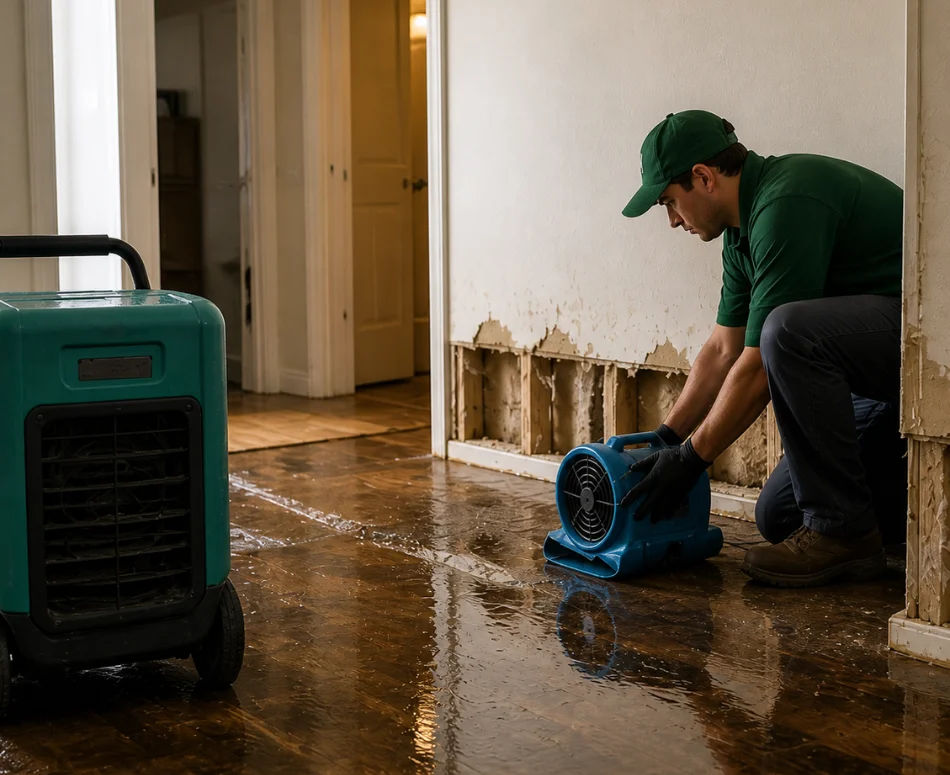
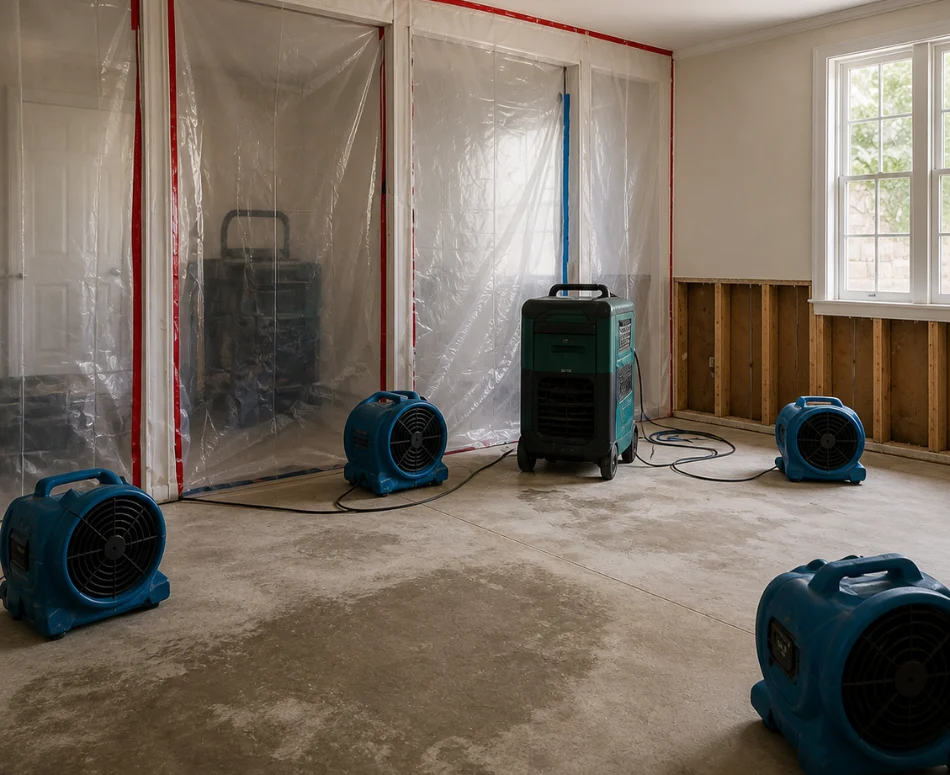
Services built for water losses
We focus on water damage restoration, flood cleanup, slab-leak-related dry-out, moisture checks, controlled demolition when needed, and repair planning after the structure is dry.
A simple process
Call us, tell us what happened, and we will guide the next step. From inspection through drying and repair planning, our goal is straightforward communication and clean execution.
FAQ
What types of water damage does Timberline Restoration handle?
We handle burst pipes, appliance overflows, slab leak dry-outs, flood cleanup, and moisture damage from hidden plumbing leaks. If water has touched your drywall, flooring, framing, or cabinets in Orange County, that is our scope. We assess the full extent of damage — not just what is visible on the surface — so the drying plan actually matches what happened inside your walls.
How quickly should I call after a water damage event?
Within the first 24 to 48 hours is critical. Drywall begins absorbing moisture immediately, and mold can establish itself in as little as 48 to 72 hours in Southern California’s climate. The longer water sits in framing and insulation, the more structural material gets compromised — and the higher the remediation cost. Call as soon as you know water has reached building materials.
Do you serve all of Orange County?
Yes. We work throughout Orange County — from Anaheim, Fullerton, and Santa Ana in the north, through Irvine, Costa Mesa, and Newport Beach in the central coast corridor, down to Mission Viejo, Laguna Niguel, Dana Point, and San Clemente in the south. If you are in OC, we can get to you.
What is the difference between water damage restoration and flood cleanup?
Water damage restoration covers any scenario where water has entered a structure — from appliance leaks to pipe bursts — and focuses on extraction, structural drying, and controlled demolition. Flood cleanup refers to events involving large volumes of water and involves more urgent containment steps before the drying phase. Both share the same outcome: a dry, documented structure ready for repair.
Will my homeowner's insurance cover water damage restoration?
Most standard California homeowner policies cover sudden accidental water damage — burst pipes, appliance failures, and similar events. Gradual leaks from deferred maintenance are typically excluded. We provide documentation throughout the process — moisture readings, scope reports, photo documentation — that supports your claim and helps your adjuster understand what happened and when.
Do you work directly with insurance adjusters?
Yes. We coordinate directly with your adjuster and provide the documentation they need: moisture mapping, drying logs, affected material inventories, and scope narratives. We document accurately so the process moves cleanly and your claim reflects the actual scope of work.
Can wet drywall be saved, or does it have to come out?
It depends on how long it was wet and how saturated it became. Drywall that dried quickly and never reached its core can sometimes be saved with targeted air movers and dehumidifiers. Drywall that stayed wet for more than 48 hours, shows visible wicking, or has any mold present needs to come out. We make that call based on moisture meter readings — not assumptions.
What does the water damage restoration process look like step by step?
First, inspection and moisture mapping to find all affected areas. Second, containment if needed. Third, water extraction and material removal where necessary. Fourth, structural drying with commercial air movers and dehumidifiers — typically three to five days. Fifth, verification with final moisture readings. Sixth, a documentation package for insurance and repair planning. We walk you through each phase before it starts.
How long does water damage restoration take?
The drying phase typically runs three to five days for most residential water damage scenarios. Total project time — including assessment, drying, demolition of unsalvageable materials, and documentation — usually runs five to ten days depending on scope. Larger events affecting multiple rooms or floors take longer. We give you a realistic timeline after the initial assessment.
Is mold always present after water damage?
Not always, but it is a real risk — especially in Orange County’s coastal areas where ambient humidity is higher than inland California. Mold can begin colonizing wet drywall, insulation, and framing within 48 to 72 hours. If water damage was addressed quickly and materials dried completely, mold risk drops significantly. If there was any delay, we include mold assessment as part of our standard moisture inspection.