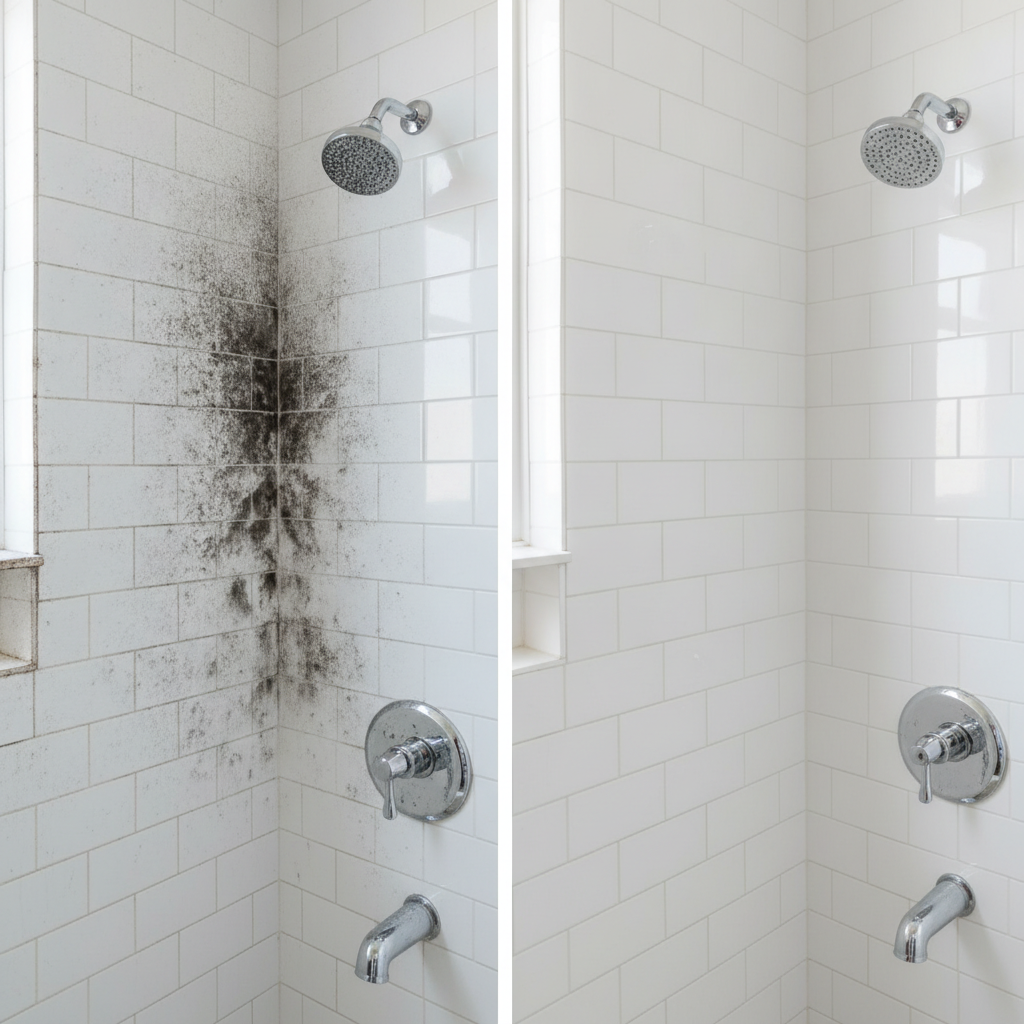
You found mold — behind a bathroom wall in Laguna Niguel, under a kitchen sink in Mission Viejo, in a closet in San Clemente that has smelled musty for months — and the first question is almost always the same: how much is this going to cost to fix properly?
The honest answer is that mold remediation cost depends on how much material is affected, where it is, what caused it, and how long the moisture was active. A small, contained area under a sink is a different job from mold across two walls, insulation, and framing after a slow slab or supply-line leak. Anyone who quotes you an exact price from one photo, without inspecting and checking moisture, is not quoting the job — they are quoting the part they can see.
This guide gives typical ranges for Orange County, labeled as typical ranges and not quotes, explains what actually drives the price, what a proper remediation includes, what it does not include, and how insurance usually treats mold in California. That way you can tell the difference between a fair scope and a cheap cleanup that leaves the problem in the wall.
If you already know you need help assessing mold, our mold remediation service in Orange County explains the process step by step.
Typical Mold Remediation Cost Ranges in Orange County
The ranges below are typical ranges for residential work in Orange County for discussion, not quotes. Your inspection, moisture readings, and the extent of affected material determine your actual scope.
Very small, contained area — roughly under 10 square feet on a non-porous or limited surface: Sometimes a few hundred dollars to about $1,500 as a typical range, if no drywall or insulation removal is needed, the moisture source is already fixed, and no formal containment is required. This is the only category where limited homeowner cleaning is sometimes discussed at all — and only for truly small surface areas, as explained below.
Small contained remediation — one area, such as under a sink, one bathroom wall section, or a small closet: Commonly about $1,500 to $4,000 as a typical range. This usually includes containment for the work area, removal of affected drywall or cabinet material where needed, HEPA air scrubbing, antimicrobial treatment, and drying verification.
Moderate remediation — one room, multiple wall sections, or a bathroom gut to the studs in the affected area: Commonly about $4,000 to $10,000 as a typical range. At this level, demolition, disposal, multiple days of air scrubbing and drying, and more framing treatment drive the cost.
Large or multi-room remediation — mold in several rooms, in framing and insulation, or after long-term hidden water damage: Commonly about $10,000 to $25,000 or more as a typical range. Whole-house or condo-wide problems, mold in HVAC-affected areas, or projects requiring extensive selective demolition can exceed that range.
Independent testing and clearance: If you hire an independent inspector or hygienist for testing and a post-remediation clearance — which we recommend on larger jobs — budget commonly about $400 to $1,200 or more as a typical range depending on the number of samples and visits, paid to that independent party, separate from remediation. Timberline does not clear its own work as an independent test; that separation protects you.
Rebuild is separate. Remediation removes contaminated material and makes the structure clean and dry. Putting back drywall, tile, cabinets, flooring, and paint is reconstruction, and it is priced separately after remediation is complete and, where testing is used, after clearance. A remediation quote that silently includes — or silently excludes — rebuild is a common source of confusion, so ask in writing what is and is not included.
What Actually Drives the Price?
- Square footage — and what is behind the surface. Visible mold is often only part of the affected area. Mold on the back side of drywall, in insulation, and on framing can extend beyond the stain you see. Proper inspection uses moisture meters and, where needed, careful exploratory openings to define the scope. Bigger affected area means more containment, more removal, more disposal, and more treatment.
- The moisture source. Mold is a moisture problem with a mold symptom. A failed supply line, a leaking shower valve, a slab leak, a roof or window leak in a coastal home in Dana Point or San Clemente, or condensation in a poorly ventilated bathroom — if the source is not fixed, mold returns and money spent on remediation is wasted. Plumbing or roof repairs are usually by others or as a separate scope, and they must happen in the right order.
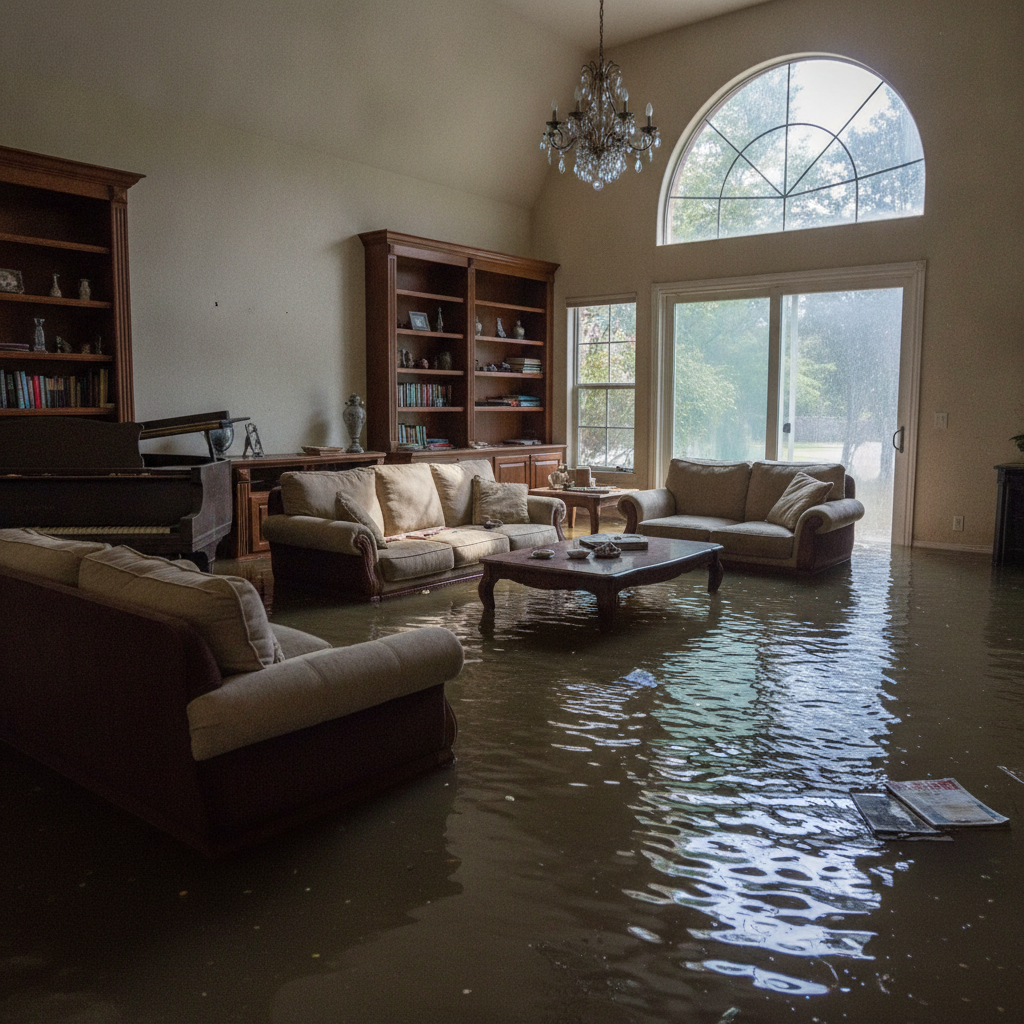
Fixing the water source often connects directly to water damage restoration — drying the structure fully matters as much as removing visible growth. Our earlier guide to the first 24 hours after water damage shows why speed changes both cost and mold risk.
- Containment and air control. Professional remediation isolates the work area with plastic sheeting, negative air pressure, and HEPA air scrubbers so spores disturbed during removal do not spread to clean rooms. Skipping containment is how a one-bathroom problem becomes a whole-house complaint. Containment setup, equipment days, and filters are real cost — and they are not optional extras on a proper job.
- Materials affected. Mold on sealed tile or glass can sometimes be cleaned. Mold in drywall, insulation, carpet pad, particle-board cabinets, and other porous materials usually means removal and disposal of those materials. Framing can often be cleaned, treated, and dried in place if it is structurally sound — which is one reason early action saves money.
- Access and location in the home. Mold in an open garage wall costs less to reach than mold behind a tiled shower, inside a kitchen cabinet run, or in a condo in Laguna Woods or Mission Viejo where building rules, elevators, work hours, and neighbor protection add logistics. Attic and crawlspace work also adds time and safety requirements.
- How long it grew. In South Orange County’s coastal humidity, mold can begin growing on wet materials within 48 to 72 hours after a water event, but the expensive jobs are usually the slow ones: a pinhole leak feeding a wall cavity for months in an Irvine, Lake Forest, or Aliso Viejo home until paint bubbling or a musty smell finally triggers a call. Longer growth usually means a wider affected area.
What a Proper Remediation Includes
A complete professional scope should generally include, as applicable to your project:
- Inspection and moisture mapping to define affected areas, not guesswork from a single stain
- A written scope that states what will be removed, what will be cleaned and treated, and what is excluded
- Fixing or confirming the fix of the moisture source, coordinated in the right sequence
- Containment of the work area and negative air / HEPA air scrubbing during removal
- Removal and proper disposal of unsalvageable porous materials
- Cleaning and antimicrobial treatment of salvageable framing and surfaces
- Structural drying and verification with moisture readings before closing anything up
- Documentation — photos, moisture logs, and a scope record useful for insurance, a home sale disclosure, or an independent clearance test
If a quote is just “spray and paint over it,” that is not remediation. Encapsulant paint over active mold on wet drywall traps the problem and makes the next, larger job more likely.
What About Insurance in California?
Homeowners insurance treatment of mold in California is limited and cause-dependent, which surprises a lot of people.
In general terms: mold that results directly and promptly from a sudden, covered water event — a burst pipe or appliance failure that you addressed right away — may be covered up to a mold or fungi limit in the policy, which is often a sublimit, not the full dwelling limit. Mold from a gradual leak, long-term humidity, deferred maintenance, or a problem that was known and left alone is commonly excluded or denied.
Documentation matters. Dates, photos, moisture readings, the plumber’s findings, and a clear timeline connecting the water event to the mold are what an adjuster needs. Our guide to whether homeowners insurance covers water damage in California walks through that distinction in detail — read it before you assume a claim will, or will not, pay.
Do not delay mitigation while waiting for an adjuster if water is still active. Most policies expect you to take reasonable steps to prevent further damage. Stop the source, call for assessment, and document everything.
Can You Do It Yourself?
California and federal guidance commonly used in the industry treats very small areas — roughly 10 square feet or less — of surface mold on non-porous materials as a possible homeowner cleanup, with ventilation, gloves, eye protection, and an appropriate cleaner, provided the moisture source is fixed and no one in the home has respiratory vulnerability.
Beyond that, DIY gets risky fast, for three practical reasons. First, disturbing drywall or insulation without containment spreads spores to rooms that were clean. Second, bleach and household cleaners do not reliably penetrate porous materials — the surface looks clean while growth remains in the material. Third, without moisture meters you cannot verify the wall cavity is dry before you close it, which is how mold comes back behind new paint.
If there is a musty smell but no visible source, mold larger than a small patch, mold after a flood or sewage event, mold in an HVAC area, or anyone in the home with asthma, allergies, or a weakened immune system — treat it as a professional assessment job, not a weekend project.
How to Compare Remediation Quotes Without Getting Burned
Ask every company the same questions, in writing:
- What is the moisture source, and who is fixing it, and when?
- Exactly which materials will be removed, and which will be cleaned in place?
- Is containment and HEPA air scrubbing included, and for how many days?
- Is drying and moisture verification included, with readings I will see?
- Is independent clearance testing recommended, and who performs it? (It should not be the same party grading its own work as “independent.”)
- Is rebuild included, excluded, or priced separately after clearance?
- What documentation will I receive for insurance or disclosure?
The cheapest quote that skips containment, testing, or drying is rarely the cheapest outcome. The second remediation — after the first one fails — costs more than doing it once, properly.
South Orange County Factors That Change Mold Jobs
Homes here are not generic. Coastal homes in San Clemente, Dana Point, and Laguna Beach live with higher ambient humidity and salt air, so ventilation and drying need extra attention and exterior leaks around windows and decks are common sources. Tract homes in Mission Viejo, Rancho Santa Margarita, Ladera Ranch, and Lake Forest from the 1980s and 1990s are now at the age where supply lines, shower valves, and water heaters fail inside walls. Condos and attached homes in Laguna Niguel, Aliso Viejo, and Laguna Woods add shared-wall and HOA or mutual notification issues — mold in your unit may trace to a neighbor’s leak, and access and responsibility need sorting early, with documentation.
That local context is why a flat per-square-foot price advertised online means so little. Two bathrooms with the same visible stain can be $2,500 and $14,000 jobs once you open the wall.
When to Call, and What Happens Next
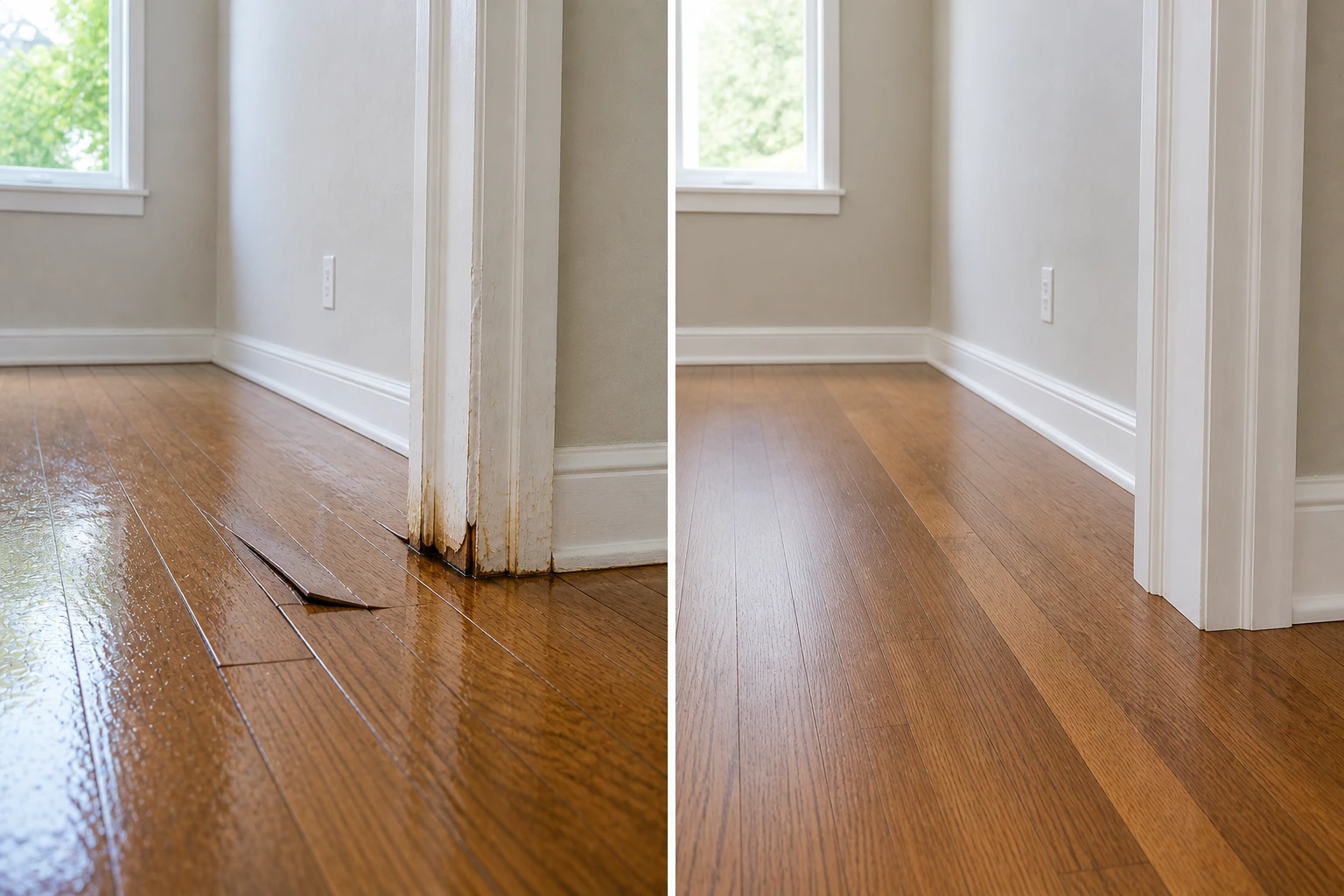
Call for an assessment when you see mold beyond a tiny surface patch, smell persistent mustiness, find mold after any water event that was not professionally dried, discover bubbling paint or warped baseboards with no clear cause, or are buying, selling, or remodeling and uncover growth behind a fixture or wall.
The next step is an inspection: what is wet, what is affected, what caused it, and what scope fixes it in the right order. From there you should get a written scope and a range you can understand before work starts, not a verbal number that grows every day.
If you need mold assessed in your Orange County home, contact Timberline Restoration at restoration@timberlinebuild.co. Tell us where you are seeing or smelling mold, when any water event happened, and whether the source has been fixed. We will guide the next step, document what we find, and give you a clear plan — remediation, drying, and what rebuild will involve after the structure is clean and dry.
Frequently Asked Questions
How much does mold remediation cost per square foot in Orange County?
There is no reliable single per-square-foot price, because cost depends on materials, containment, access, and whether framing and insulation are affected, not just visible area. As a rough planning idea only, small contained jobs may work out much higher per square foot than large jobs because containment and equipment are fixed costs. Use the typical total ranges in this article — about $1,500–$4,000 for a small contained job and $4,000–$10,000 for a moderate one-room job — as ranges, not quotes, and get an inspected written scope.
Does homeowners insurance pay for mold remediation in California?
Sometimes, up to a policy mold sublimit, when mold results promptly from a sudden covered water event such as a burst pipe. Mold from gradual leaks, humidity, or deferred maintenance is commonly excluded. Your policy wording and the documented timeline decide it, not the remediation company. Document the source, dates, and damage, and notify your carrier promptly.
How long does mold remediation take?
A small contained job can often be completed in 1–2 days of active work plus drying verification. A moderate one-room job commonly runs 3–5 days. Large or multi-room projects can run a week or more, before any independent clearance testing and before rebuild begins. Drying time follows moisture readings, not just the calendar.
Do I have to leave my home during mold remediation?
Not always. For a small, well-contained area, occupying other parts of the home is often fine. For large projects, projects in central living areas, or homes with young children, older adults, or anyone with respiratory conditions, temporary relocation may be the safer recommendation. Your remediation plan should address this directly after inspection, for your specific layout.
Is black mold more expensive to remove than other mold?
Remediation method and cost are driven by extent, materials, and containment — not by color alone. Color does not reliably identify mold species; only lab testing does. All significant indoor mold growth should be contained and removed the same careful way, regardless of what color it appears.
What happens if I just paint over mold or ignore it?
Painting over active mold does not fix the moisture source or remove growth in porous materials, and the problem typically returns larger, often behind the new finish. Ignoring mold after water damage risks wider material damage, stronger odor, and a more expensive remediation and rebuild later. Addressing the source and the affected materials early is almost always the lower-cost path.