# Water Damage Repair in Orange County: What You Need to Know
You walk into your home and notice a suspicious stain on the ceiling, or perhaps you step into a room where the carpet feels unusually damp. These scenarios can be alarming, and rightfully so. Water damage can escalate quickly, and the longer it goes unaddressed, the more costly and extensive the repairs can become. This article will guide you through the essentials of water damage repair in Orange County, including what to expect during the restoration process, potential costs, and factors that may affect the situation.
## What Is Water Damage Repair?
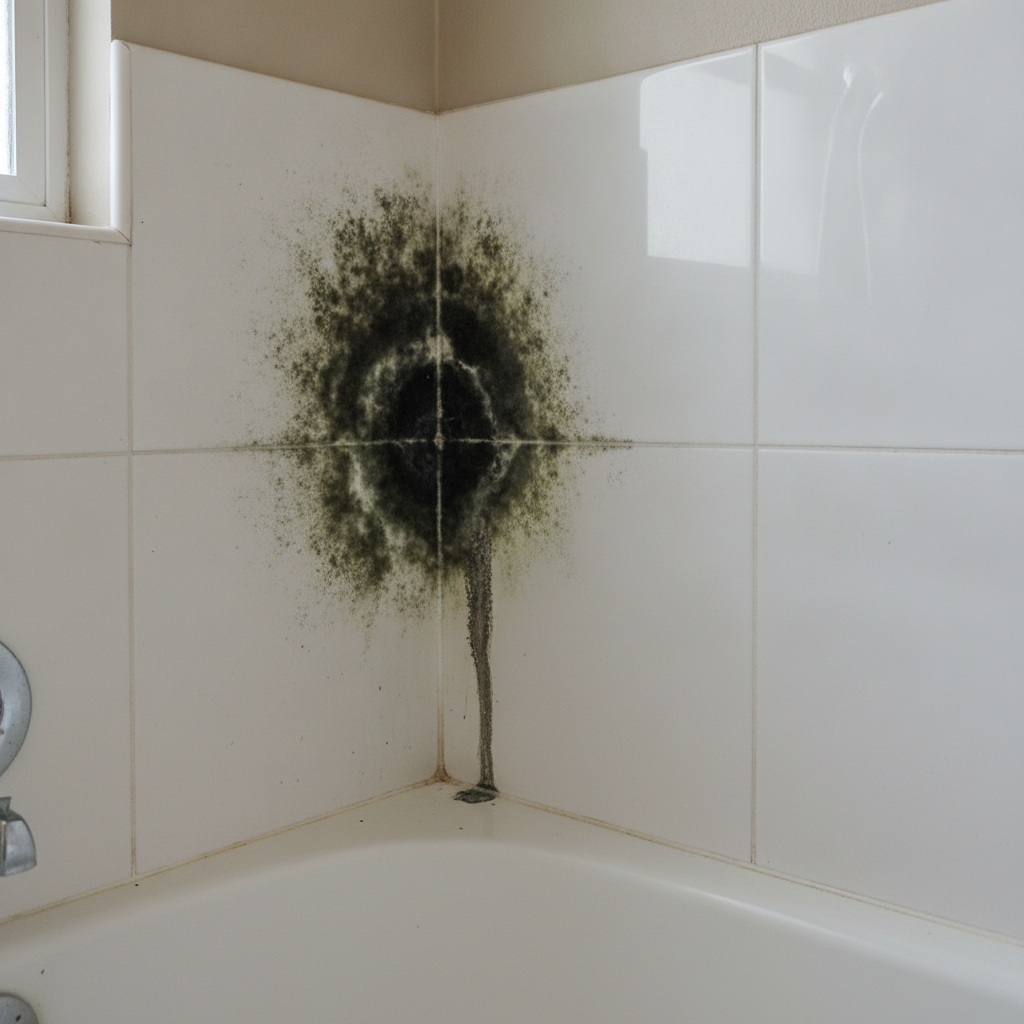
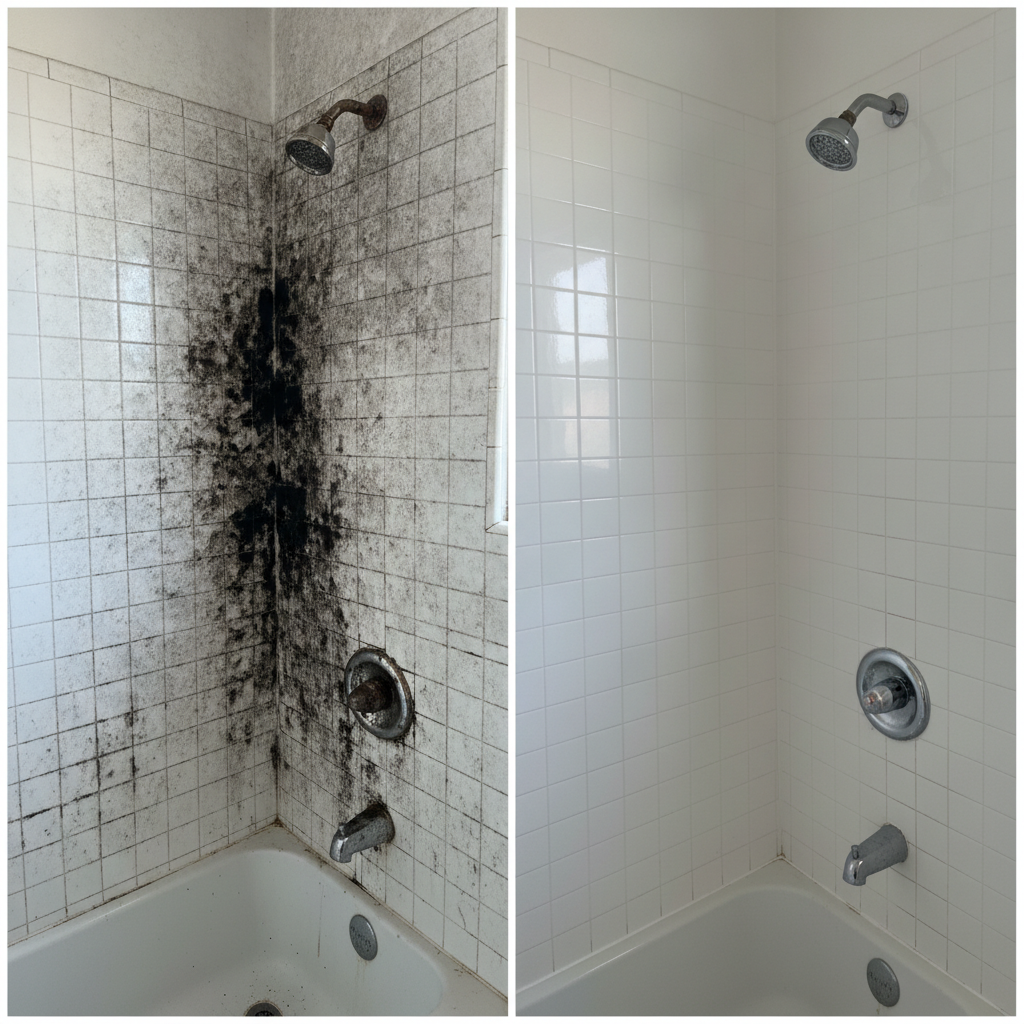
Water damage repair is the process of restoring a property affected by water intrusion to its pre-damage condition. This can include water extraction, drying and dehumidification, mold remediation, and repairs to structural elements like drywall and flooring. It’s crucial to act swiftly when you discover water damage, as prolonged exposure can lead to structural issues and mold growth.
In Orange County, the climate can be particularly conducive to these problems due to the proximity to the ocean and seasonal rains. Here’s what you can generally expect when dealing with water damage repair:
1. **Initial Assessment**: A restoration professional will typically evaluate the extent of the damage.
2. **Water Extraction**: The next step involves removing standing water using specialized equipment.
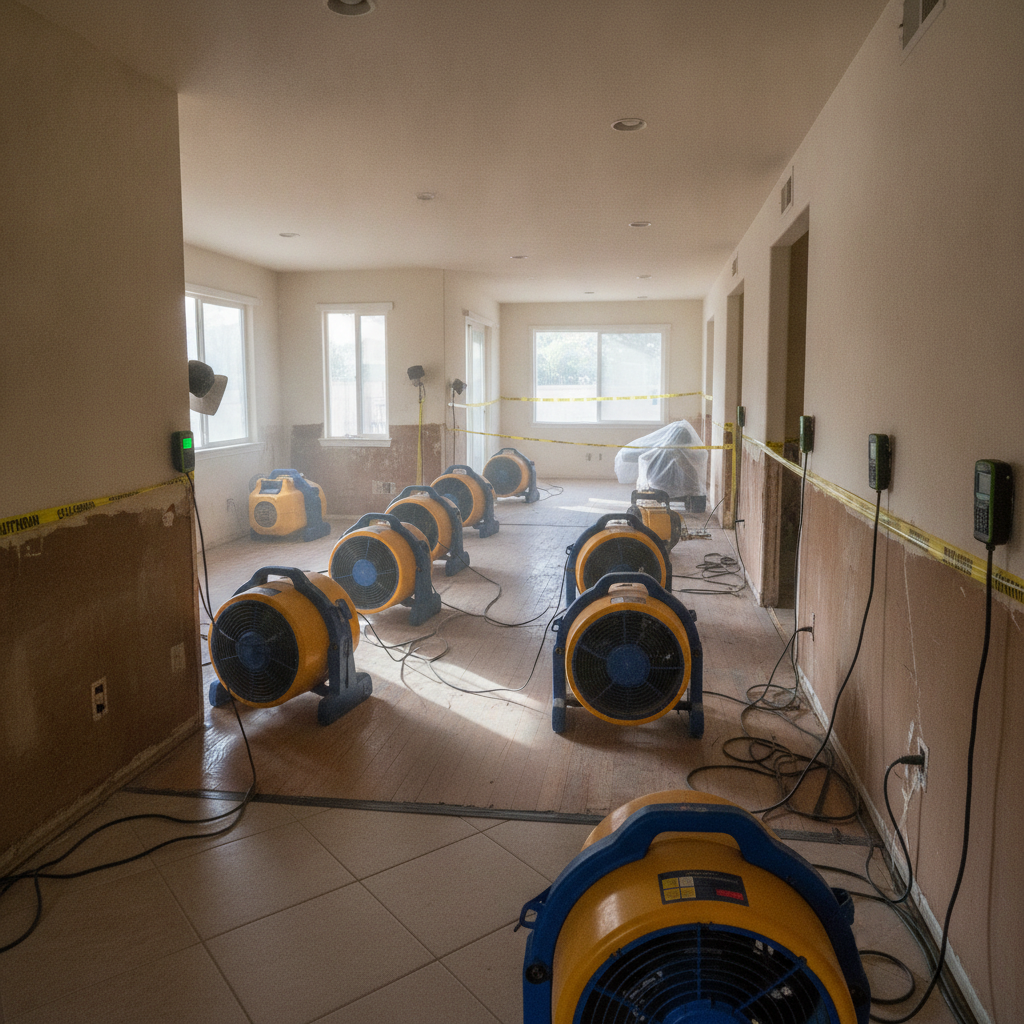
3. **Drying and Dehumidification**: After extraction, the area must be thoroughly dried to prevent mold growth, often employing industrial fans and dehumidifiers.
4. **Repairs**: This can involve replacing damaged drywall, repairing flooring, and ensuring that everything is restored to its original condition.
## Factors Affecting Water Damage Repair in Orange County
Understanding the factors that influence water damage repair costs and procedures in Orange County can help homeowners make informed decisions. Here are several key considerations:
– **Source of the Water**: Whether the water comes from a clean source (like a broken pipe) or a contaminated source (like sewer backup) significantly affects the complexity and cost of repairs.
– **Extent of Damage**: The size of the affected area and the severity of the damage will dictate how extensive the repairs need to be. More extensive damage can require more resources and time.
– **Humidity Levels**: Orange County’s climate, often characterized by its coastal humidity, can influence the drying process and the potential for mold growth.
– **Building Age**: Older homes may have plumbing issues that necessitate additional repairs beyond just fixing water damage.
– **Local Codes and Permit Requirements**: Certain repairs may need permits, especially if they involve structural alterations. Familiarity with Orange County regulations is crucial for compliance.
– **Insurance Coverage**: Homeowners insurance often plays a significant role in covering the costs of water damage repair, depending on the policy terms.
## The Water Damage Repair Process
1. **Contact a Licensed Contractor**: The first step is to contact a qualified restoration contractor to assess the damage. A licensed contractor will typically have a CSLB license (like Timberline Restoration, #1136140).
2. **Assessment and Planning**: This involves a thorough inspection of the property to find water sources, signs of damage, and any structural issues. A detailed plan outlining the necessary repairs and estimated costs is then developed.
3. **Water Extraction**: The contractor will use pumps and vacuums to remove any standing water. The efficiency of this step is critical in minimizing damage to floors, walls, and furnishings.
4. **Drying and Dehumidification**: Industrial-grade fans and dehumidifiers will be set up to dry the area completely. This process can take several days and is vital in preventing mold growth.
5. **Repair and Restoration**: Once everything is dry, repairs can begin. This may include replacing drywall and flooring, repainting walls, and ensuring the space is as good as new.
6. **Final Inspection**: A final walk-through will ensure that all repairs meet the necessary standards of quality and that the home is safe for occupancy.
## Water Damage Repair Costs in Orange County
The cost of water damage repair in Orange County can vary widely based on the extent of the damage. Here are some approximate cost ranges:
– **Minor Damage**: $1,500 – $5,000 (small leaks affecting limited areas)
– **Moderate Damage**: $5,000 – $15,000 (one room with significant damage to drywall and flooring)
– **Major Damage**: $15,000 – $40,000 (multiple rooms or structural issues)
Factors that can drive costs up include the presence of mold, the need for extensive structural repairs, and local permit requirements. Conversely, prompt action and early detection can help keep costs down.
## Insurance Considerations for Water Damage in California
Homeowners’ insurance policies in California often cover water damage, but specifics will depend on your individual plan. It’s essential to review your policy to understand what is included, and reach out to your insurance provider to clarify your coverage details. Restoration contractors typically work with all major insurance carriers, making the claims process smoother for homeowners.
## Frequently Asked Questions
### What should I do first if I discover water damage in my home?
Upon discovering water damage, the first step is to turn off the main water supply to prevent further damage. Next, you should contact a licensed restoration contractor to assess the situation and begin the restoration process.
### How long does the water damage repair process take?
The duration of the repair process varies depending on the extent of the damage. Minor repairs could take a few days, whereas more significant damage might require several weeks for complete restoration.
### Does homeowners insurance cover water damage repair?
Most homeowners insurance policies cover water damage; however, coverage often depends on the source of the water. It’s crucial to review your policy details and consult with your insurance agent regarding coverage specifics.
### How can I prevent mold after water damage?
To prevent mold growth, ensure that the affected areas are fully dried and ventilated. Utilize dehumidifiers and air purifiers to control moisture levels, and consider testing for mold if damage was significant.
### What are the signs of water damage?
Common signs of water damage include discoloration or staining on walls or ceilings, dampness or musty odors, swollen or warped flooring, and peeling paint or wallpaper.
### How can I choose a good restoration contractor?
Look for a licensed contractor with positive customer reviews and experience in water damage restoration. Ensure they have a valid CSLB license and check their track record in your local area.
## Conclusion
Water damage repair is a crucial process to restore your home and ensure the safety of your living environment. Understanding the repair process, associated costs, and potential insurance coverage can empower you to take proactive steps in addressing water damage swiftly.
—
**Ready to get an expert assessment?**
Timberline Restoration serves homeowners across Orange County and the South Bay from our San Juan Capistrano base. We’re a licensed general contractor (CSLB #1136140) with hands-on restoration experience — no middlemen, no franchise fees passed on to you.
📞 Call or text: **949-229-1692**
🌐 **[estimate.timberlinebuild.co](https://estimate.timberlinebuild.co)**